BIIE · Master's thesis · January–July 2026
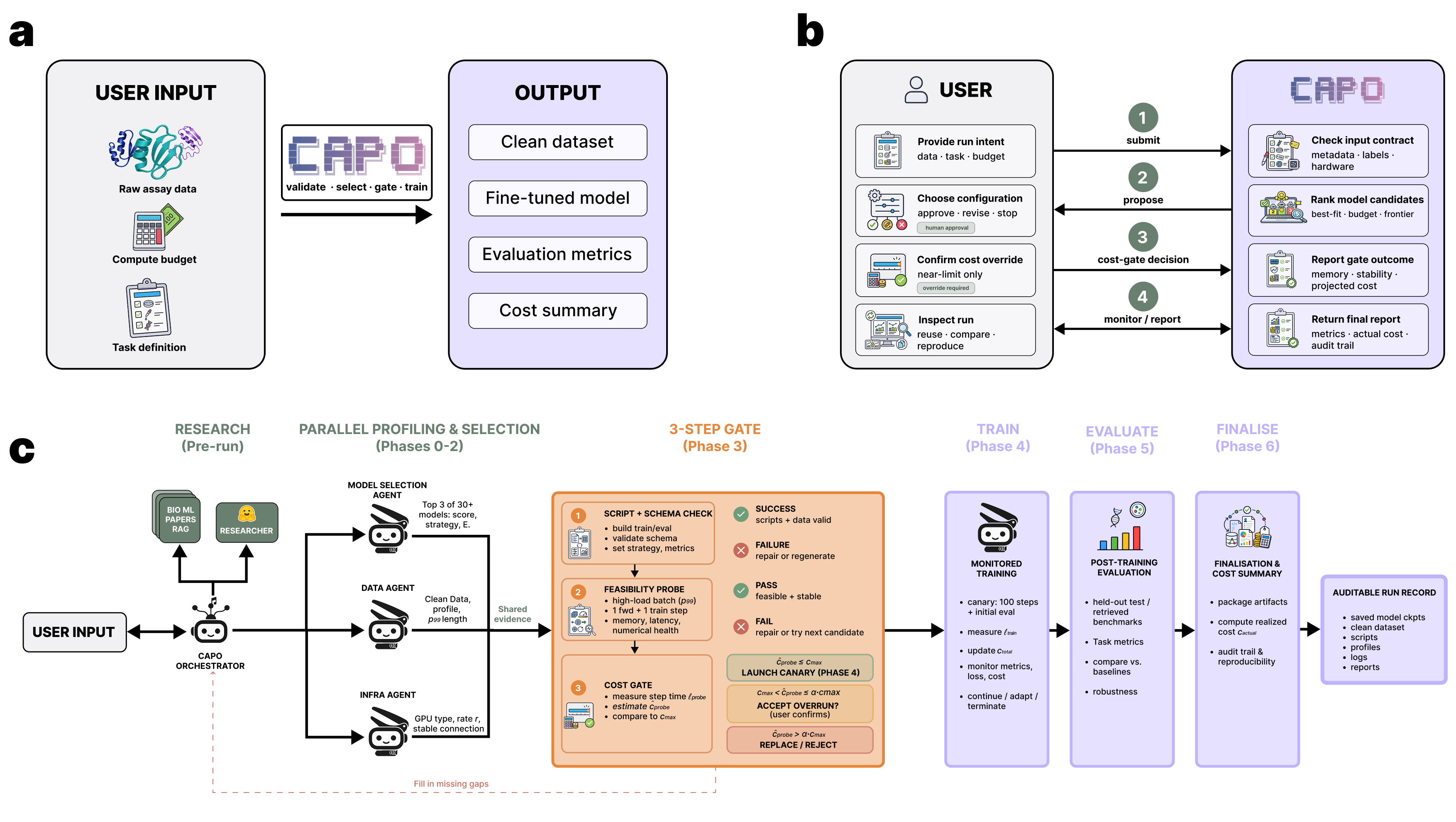
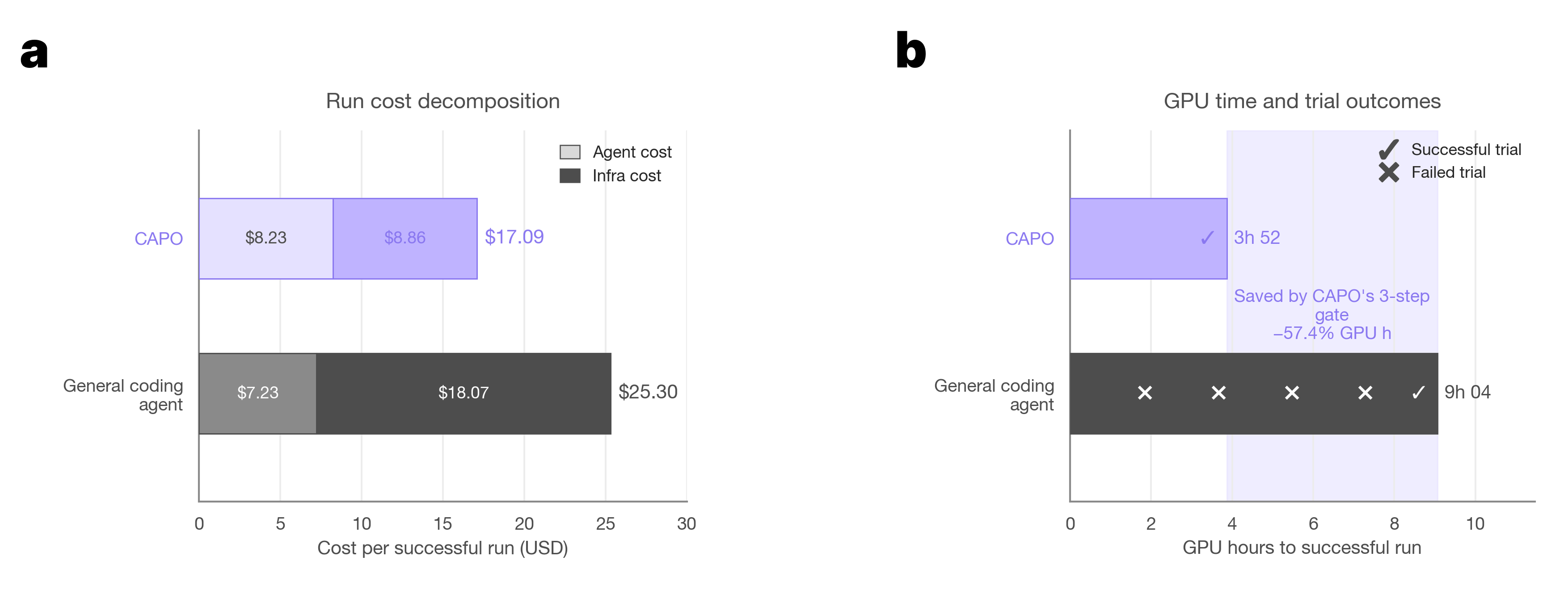
CAPO
Compute-Aware Automated Protein-Model Optimization
An agentic system for end-to-end protein-model optimization, evaluated through three protein-engineering tasks and ablation studies. The project explores how to make model optimization effective under compute constraints.
Supervised by T. Bikias and M.-A. Hartley
Thesis grade 6/6 · Best Poster Award at OxML 2026 Health & Bio Track and accepted to NeurIPS AgenticLS workshop
BIIE · Research internship
GraphRAG for immunology
Built a retrieval pipeline over an immunology corpus using an entity graph and Personalized PageRank, and benchmarked it against production RAG.
EPFL · LiGHT Lab · Master's project
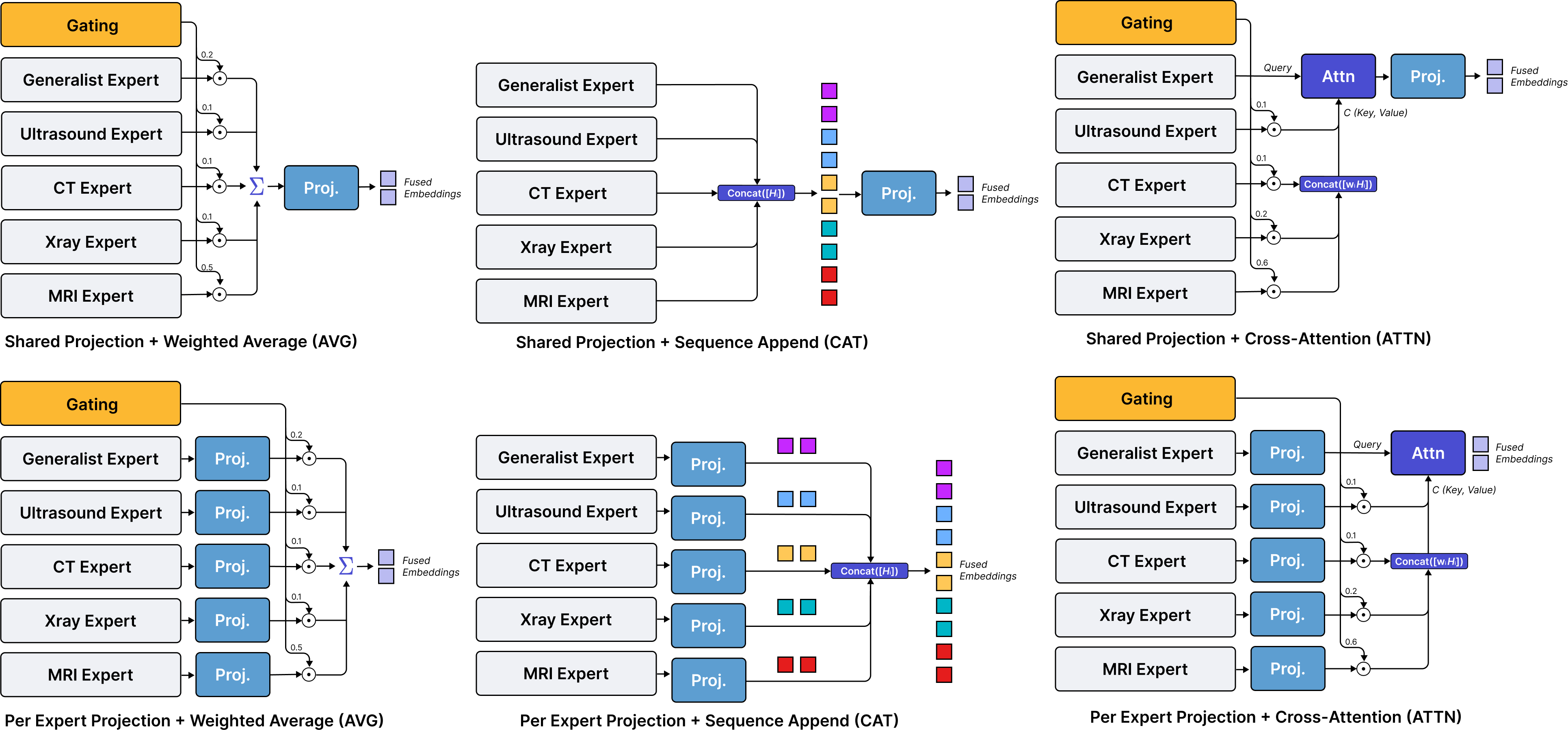
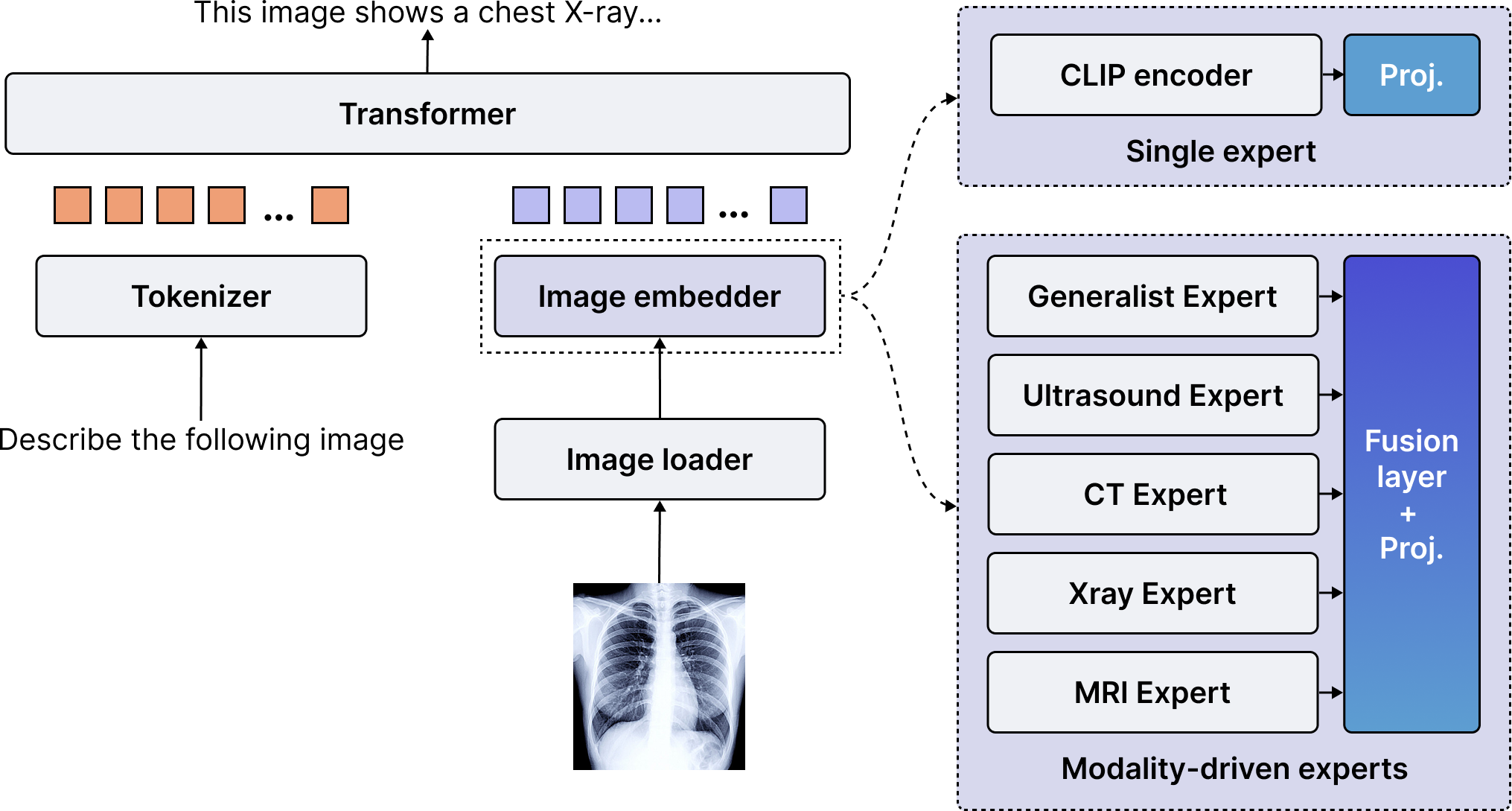
Multimeditron
Developed an 8B parameter modular multimodal medical language model trained from scratch, exploring mixture-of-experts and embedding-projection fusion.
EPFL · Master's project
Eliciting Reasoning in LLMs using Logprob-based Rewards
Explored log-probability rewards with GRPO to elicit language-model reasoning across mathematics and poetry tasks.
EPFL · Modern NLP · Spring 2025
Small But Mighty: Achieving High Accuracy with Small Language Models on scientific MCQ answering
In this 10-week project, our group of three aimed to improve a small language model on scientific question answering using EPFL exam questions. We fine-tuned and quantized the model for single-GPU training, applied Direct Preference Optimization (DPO), and expanded its knowledge with Retrieval-Augmented Generation (RAG).
EPFL · Bachelor's thesis · Fall 2024
Food recognition with multimodal LLMs
Investigated multimodal large language models for food recognition.
Supervised by Prof. Marcel Salathé
Thesis grade 6/6
MIT CSAIL · Regina Barzilay Group · August–September 2022
Germline mutation pathogenicity
Fine-tuned sequence-only models to predict germline mutation pathogenicity across 70 ClinVar cancer genes, achieving an AUC of 0.875.
Supervised by Jeremy Wohlwend